


All Products
-
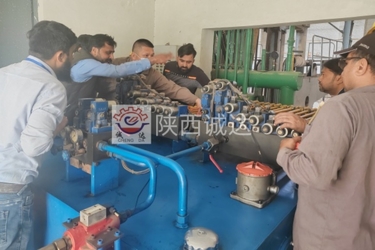 Syed Rashid Ahmed ButtShaanxi Chengda Industrial Furnace Co., Ltd. completed the commissioning of electric arc furnace, the workers carefully cooperated with Chengda engineers to learn and operate the equipment, showing the deep friendship and excellent cooperation between the people of China and Pakistan.
 -
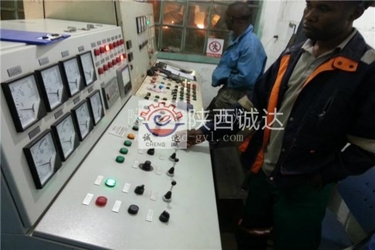 AboubacarAfter more than 1 month of intense production and debugging, 2 sets of heat exchange flue gas settling chamber equipment has been successfully put into operation ~ All the personnel involved in the project have worked hard! ~
 -
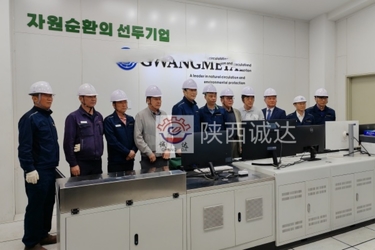 Ji-hwan【 Warm congratulations 】 Shaanxi Chengda Industrial Furnace Manufacturing Company in South Korea, North Chungcheong County precious metal smelting furnace equipment installation and careful manufacturing and strict commissioning, looking forward to the future in more fields to achieve mutually beneficial win-win cooperation!
Contact Person :
Du
Phone Number :
13991381852
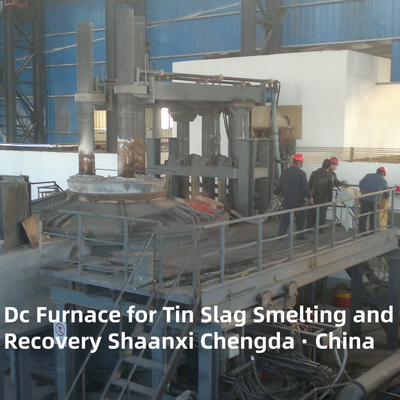
Dc Furnace For Tin Slag Smelting And Recovery (New)
| Place of Origin | Shaanxi, China |
|---|---|
| Brand Name | Shaanxi Chengda |
| Certification | ISO9001 |
| Model Number | Negotiate based on equipment processing capacity |
| Minimum Order Quantity | 1set |
| Price | The price will be negotiated based on the technical requirements and supply scope of Party A |
| Packaging Details | Discuss according to the specific requirements of Party A |
| Delivery Time | 2~3 months |
| Payment Terms | L/C,D/A,D/P,T/T,Western Union, |
| Supply Ability | Complete production supply chain, supply on time, and meet quality standards |
Product Details
| Highlight | Tin Slag Smelting Dc Furnace,Dc Furnace Tin Slag Smelting,Tin Slag Smelting Dc Furnaces |
||
|---|---|---|---|
Product Description
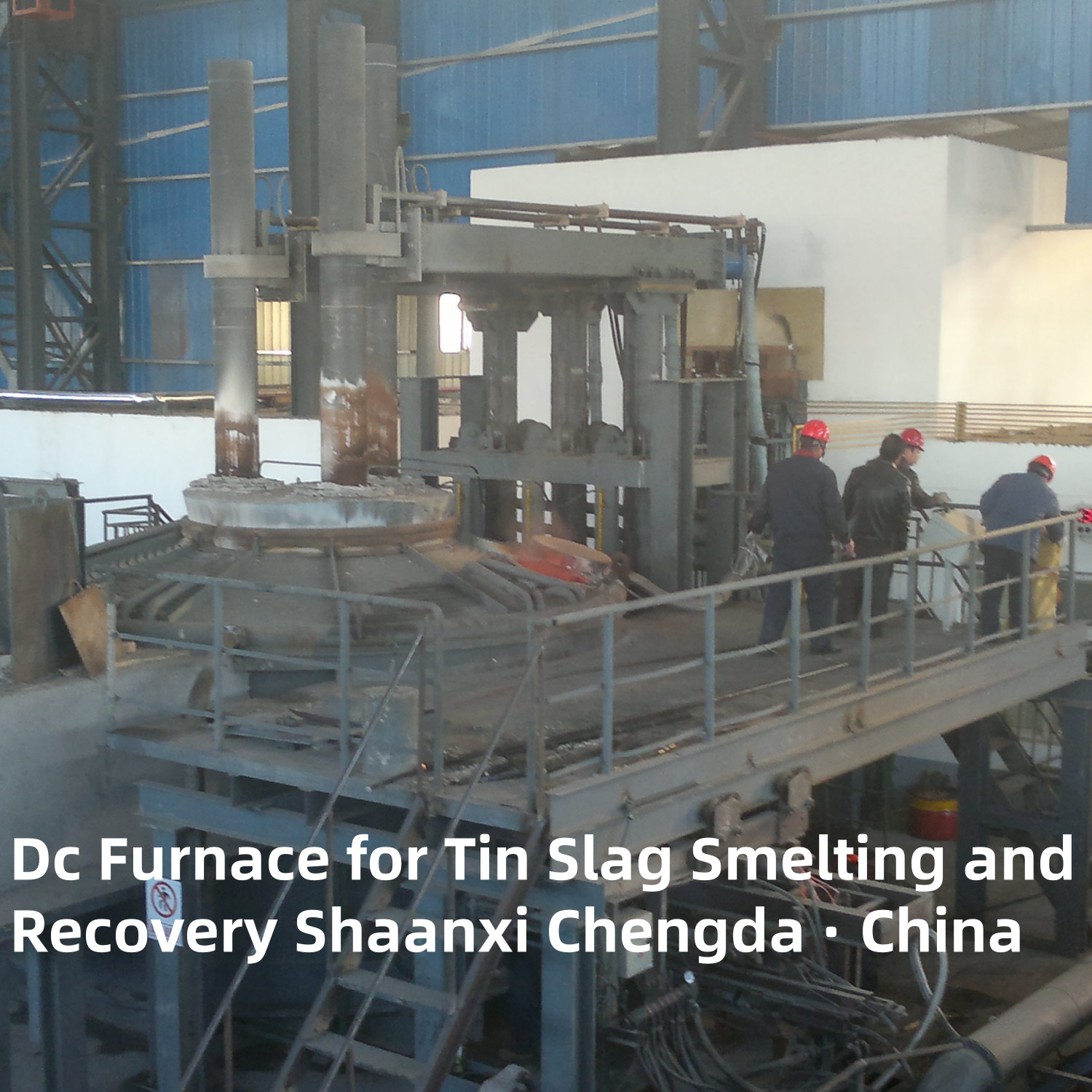
Dc Furnace for Tin Slag Smelting and Recovery
Electric furnace melting in non-ferrous metal smelting is to melt the material by electric energy through the arc generated by the electrode and the charge or the high temperature generated by the resistance of the molten slag. And can control the melt temperature in the range of 1200 ~ 1600℃ any temperature. Smelting furnace is mainly used for smelting materials containing a large number of refractory gangue components, and in areas with sufficient power resources, it is also used for smelting general ore.
The main advantages of EAF melting are: the bath temperature is easy to adjust and can reach a higher temperature; Low theoretical smoke volume; High thermal efficiency, up to 60% ~ 80%; The amount of slag is small, and the total recovery rate of melted metal is high.
The main disadvantages of electric furnace smelting are: large power consumption, high processing cost and higher than that of reverberatory furnace smelting; The water content of the charge generally does not exceed 3%; Infrastructure investment is slightly higher.
Electric furnace is used in the smelting of copper, nickel, zinc, tin, etc. as well as the heat preservation and dilution of molten slag.
Application of tin smelting furnace:
Tin concentrate smelting electric furnace is suitable for smelting low tin concentrate to reduce tin, smelting back slag, smelting rich slag containing silicon into silicon tin.
The electric furnace uses the arc generated by the electrode and the charge and the direct use of molten slag as resistance and strong current method to convert the electric energy into the heat energy required by the smelting process, and it is easy to reach a high furnace temperature (1450 ~ 1600℃). As a result, refractory concentrates can be successfully treated without the need for large amounts of flux in EAF smelting.
The electric furnace is basically sealed, and a high concentration of carbon monoxide can be maintained in the furnace, so the charge with a higher melting point can be melted, and the slag with low tin content can be obtained. Therefore, electric furnaces are generally suitable for processing tin concentrates with low iron content.
In electric furnace smelting, the furnace gas is basically the carbon monoxide and carbon dioxide produced by the reduction reaction, and its amount is much less than that of the reverberatory furnace. (Most of the furnace gas is fuel combustion flue gas), therefore, the amount of tin and its compounds volatilized to the furnace gas is less, and the dust collection equipment used is also smaller.
The production rate of electric furnace smelting is very high, and the poor tin slag can be obtained after one smelting in electric furnace.
The disadvantage of electric furnace melting is that it is difficult to adjust the composition of slag and gas. At high temperature, the volatilization loss of tin compounds increases sharply. In addition, the electricity consumption is relatively large, and the investment of electric furnaces and their auxiliary equipment is much larger than that of reverberatory furnaces. At present, it is more suitable for use in areas where electricity is convenient, or when the concentrate contains high refractory components and low iron content.
Core Working Principle
Core Advantages
New Design and Application Cases
Key Process Parameters
Process Flow
Development Trend
Recommended Products
