


All Products
-
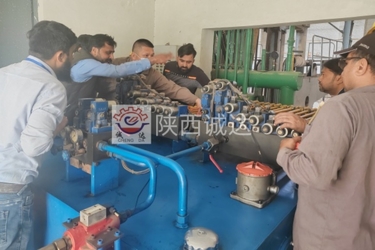 Syed Rashid Ahmed ButtShaanxi Chengda Industrial Furnace Co., Ltd. completed the commissioning of electric arc furnace, the workers carefully cooperated with Chengda engineers to learn and operate the equipment, showing the deep friendship and excellent cooperation between the people of China and Pakistan.
 -
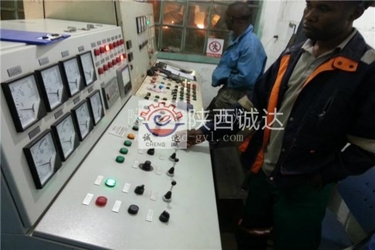 AboubacarAfter more than 1 month of intense production and debugging, 2 sets of heat exchange flue gas settling chamber equipment has been successfully put into operation ~ All the personnel involved in the project have worked hard! ~
 -
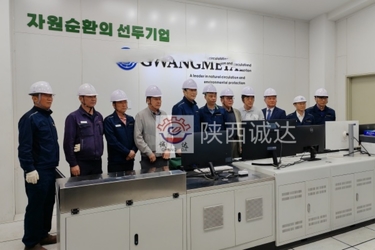 Ji-hwan【 Warm congratulations 】 Shaanxi Chengda Industrial Furnace Manufacturing Company in South Korea, North Chungcheong County precious metal smelting furnace equipment installation and careful manufacturing and strict commissioning, looking forward to the future in more fields to achieve mutually beneficial win-win cooperation!
Contact Person :
Du
Phone Number :
13991381852
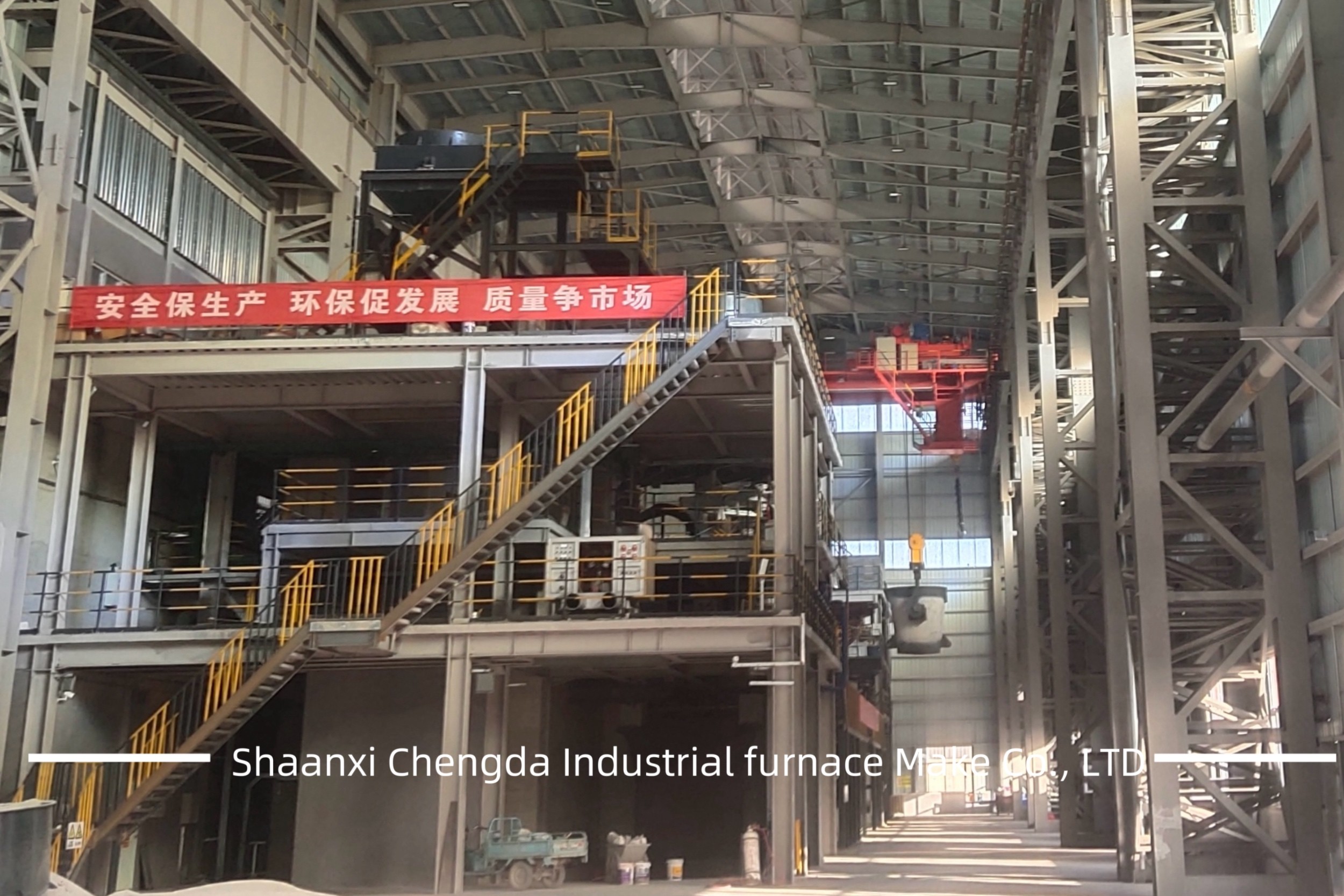
Ferroalloy Ore Furnace - Refining Furnace

| Place of Origin | China |
|---|---|
| Brand Name | Shaanxi Chengda |
| Certification | ISO9001 |
| Model Number | Ferroalloy ore furnace - refining furnace |
| Minimum Order Quantity | 1set |
| Price | The price will be negotiated based on the technical requirements and supply scope of Party A |
| Packaging Details | Discuss according to the specific requirements of Party A |
| Delivery Time | 2 months |
| Payment Terms | L/C,D/A,D/P,T/T,Western Union, |
| Supply Ability | Complete production supply chain, supply on time, and meet quality standards |
Product Details
| Highlight | Ferroalloy ore furnace,ISO9001 ore furnace,refining furnace |
||
|---|---|---|---|
Product Description
Ferroalloy ore furnace - refining furnace
Product performance and main uses are introduced:
Mineral furnace is mainly used for the production of ferrosilicon, ferromanganese, ferrochrome, ferrotungsten, silicon manganese and other ferroalloys. Equipment features: Its working characteristics are the use of carbon or magnesium refractory material as the furnace lining, the use of self-growing electrodes. The electrode is inserted into the charge for submerged arc operation, and the energy generated by the arc energy and current passing through the resistance of the charge is used to melt the metal, add the charge successively, discharge the iron slag intermittently, and work continuously in an industrial electric furnace.
Equipment features:
Its working characteristics are rice thermal quality or magnesium thermal materials as the furnace lining, the use of self-cultivation electrodes. The electrode is inserted into the charge for arc molding, and the energy generated by the external energy and the current is poured through the resistance of the lamp material is used to melt the metal, add the material one after another, discharge the iron slag intermittently, and work continuously in an industrial electric furnace.
Equipment composition:
furnace body, low smoke hood, controller system, short net system, feeding, distributing, blanking system, hydraulic system, cooling water system, pneumatic system, transformer, high voltage power supply system, low voltage control system, computer operating system, other auxiliary iron equipment, etc.
Ferroalloy Ore Furnace - Refining Furnace
Ferroalloy refining furnace is a specialized thermal equipment used in the ferroalloy industry. It mainly undertakes the "secondary processing" of crude ferroalloy (produced by ferroalloy ore furnaces, also known as submerged arc furnaces) — through processes such as temperature adjustment, component modification, and impurity removal, it upgrades the crude alloy to high-purity, high-quality ferroalloy products that meet industrial application standards (e.g., low-carbon ferrochrome, high-silicon ferromanganese). It is a key link in improving the added value of ferroalloy products.
1. Core Functions & Working Principles
Its core goal is to optimize the chemical composition and physical state of crude ferroalloy. The working principle is based on high-temperature metallurgical reactions (oxidation, reduction, slagging) and molten state separation:
Impurity Removal: Blow oxidizing gas (e.g., oxygen-enriched air) into the molten crude ferroalloy, or add oxidizing agents (e.g., iron oxide, manganese oxide). The impurities in the alloy (e.g., carbon, sulfur, phosphorus, silicon) react with oxidants to form oxides, which then enter the slag phase and are separated from the molten alloy.
Example: In low-carbon ferrochrome production, oxygen blowing oxidizes excess carbon in crude high-carbon ferrochrome to CO/CO₂, reducing the carbon content from 6-8% (crude alloy) to less than 0.5% (refined alloy).
Component Adjustment: Add alloying agents (e.g., silicon iron, ferrosilicon) to the molten pool to adjust the content of target elements (e.g., chromium, manganese, silicon) to meet product standards.
Temperature & State Regulation: Use electric heating (e.g., electric arc heating) or chemical reaction heat (e.g., heat released by oxidation of impurities) to maintain the molten alloy at 1500-1800°C, ensuring full reaction of components and smooth separation of alloy and slag.
2. Main Types & Structural Features
According to the heating method and process characteristics, ferroalloy refining furnaces are mainly divided into two categories, each with distinct structural designs adapted to different refining needs:
3. Key Technical Parameters
Technical parameters directly determine the refining capacity, product quality, and energy consumption of the furnace. The core parameters include:
Furnace Capacity: Usually expressed by the volume of the molten pool (e.g., 50m³, 100m³) or the single tapping weight (e.g., 30 tons/batch, 80 tons/batch). Large converters are often used for bulk ferroalloys (e.g., ferromanganese), while small electric arc furnaces are used for precious ferroalloys (e.g., ferrovanadium).
Heating Power (for Electric Arc Furnaces): Ranges from 10MVA to 50MVA. Higher power ensures faster temperature rise and shorter refining cycles (e.g., a 30MVA electric arc furnace can refine 25-30 tons of low-carbon ferrochrome per batch, with a cycle of 4-6 hours).
Refining Temperature: Generally 1500-1800°C. For ferroalloys with high melting points (e.g., ferrochromium), the temperature needs to be maintained above 1650°C to ensure full melting and reaction.
Oxygen Supply Intensity (for Converters): 2-5 m³/(t·min). Higher oxygen intensity accelerates impurity oxidation but requires precise control to avoid over-oxidation of target elements (e.g., chromium loss in ferrochrome refining).
4. Industrial Application & Matching with Ore Furnaces
Ferroalloy refining furnaces are closely matched with ferroalloy ore furnaces (submerged arc furnaces) to form a "crude production + refined upgrading" industrial chain:
Upstream Matching: Ore furnaces produce crude ferroalloys (e.g., crude ferromanganese, high-carbon ferrochrome) with relatively high impurity content and unstable components; these crude alloys are directly transported to refining furnaces in a molten state (to save re-melting energy) or in a solid state (re-melted for refining).
Downstream Application: Refined ferroalloys are key raw materials for the steel and non-ferrous metal industries:
Low-carbon ferrochrome: Used to produce stainless steel (reduces carbon content in stainless steel to avoid intergranular corrosion).
High-purity ferrosilicon: Used as a deoxidizer and alloying agent in high-quality steel (e.g., automotive sheet steel, electrical steel).
Refined ferromolybdenum: Used to produce high-strength alloy steel (e.g., aerospace steel, offshore platform steel) to improve steel’s high-temperature strength and corrosion resistance.
5. Energy Conservation & Environmental Protection Characteristics
With the tightening of industrial environmental protection policies, modern ferroalloy refining furnaces have been upgraded in energy efficiency and emission control:
Energy Recovery: Recover waste heat from flue gas (e.g., use waste heat boilers to generate steam for power generation) and sensible heat from molten slag (e.g., granulate molten slag to produce building materials such as slag cement).
Emission Control: Equip flue gas purification systems (e.g., dry electrostatic precipitators, bag filters) to control dust emissions; for furnaces with high CO emissions (e.g., electric arc refining furnaces), collect and reuse CO as fuel or chemical raw material.
Low-Carbon Technology: Promote oxygen-enriched combustion and electric-thermal coupling heating to reduce fuel consumption and carbon emissions; develop low-carbon refining processes (e.g., molten salt electrolysis refining) to replace traditional high-energy-consuming processes.
Recommended Products
