• Shaanxi CHENGDA Industry Furnace MAKE Co., Ltd.
    Syed Rashid Ahmed Butt
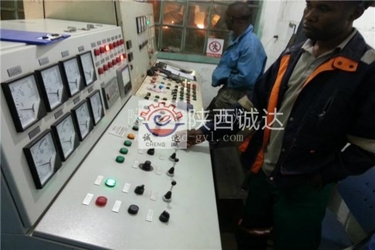
    Shaanxi Chengda Industrial Furnace Co., Ltd. completed the commissioning of electric arc furnace, the workers carefully cooperated with Chengda engineers to learn and operate the equipment, showing the deep friendship and excellent cooperation between the people of China and Pakistan.
  • Shaanxi CHENGDA Industry Furnace MAKE Co., Ltd.
    Aboubacar
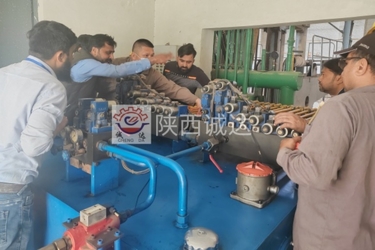
    After more than 1 month of intense production and debugging, 2 sets of heat exchange flue gas settling chamber equipment has been successfully put into operation ~ All the personnel involved in the project have worked hard! ~
  • Shaanxi CHENGDA Industry Furnace MAKE Co., Ltd.
    Ji-hwan
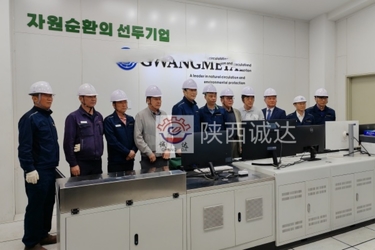
    【 Warm congratulations 】 Shaanxi Chengda Industrial Furnace Manufacturing Company in South Korea, North Chungcheong County precious metal smelting furnace equipment installation and careful manufacturing and strict commissioning, looking forward to the future in more fields to achieve mutually beneficial win-win cooperation!
Contact Person : Du
Phone Number :  13991381852

10T-160T Ladle Refining Furnace LF High Efficient Ladle Refining Furnaces
Place of Origin China
Brand Name Shaanxi Chengda
Certification ISO9001
Model Number Ladle capacity100t
Minimum Order Quantity 1set
Price The price will be negotiated based on the technical requirements and supply scope of Party A
Packaging Details Discuss according to the specific requirements of Party A
Delivery Time 2 months
Payment Terms L/C,D/A,D/P,T/T,Western Union,MoneyGram
Supply Ability Complete production supply chain, supply on time, and meet quality standards

Contact me for free samples and coupons.

WhatsApp:0086 18588475571

WeChat: 0086 18588475571

Skype: sales10@aixton.com

If you have any concern, we provide 24-hour online help.

x
Product Details
Ladle Capacity 10-160t Transformer Capacity 18000kva
Electrode Diameter Ø700mm Fuel Electric
Delivery Time 30days Warranty Of Core Components 1 Year
Highlight

160T ladle refining furnace

,

10T ladle refining furnace

,

Electric Fuel ladle refining furnaces

Leave a Message
Product Description

10T-160T Ladle Refining Furnace (LRF): Core Equipment for High-Quality Metallurgy

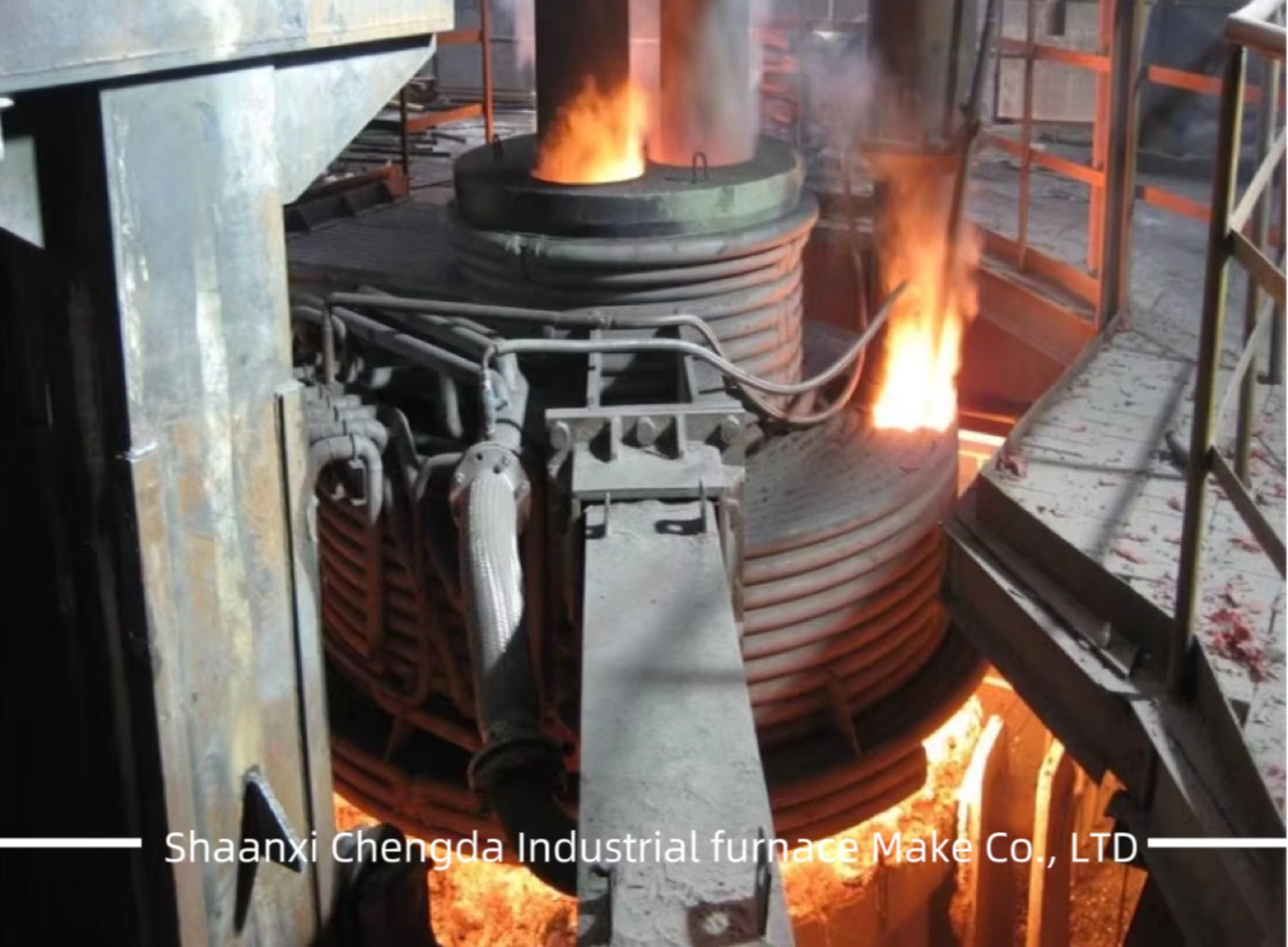
LF ladle refining furnace Ladle capacity100t
Equipment use:
LF ladle refining furnace can be used for refining molten steel in primary furnaces (electric arc furnace, open hearth furnace, converter, etc.), and is an important metallurgical equipment for continuous casting and continuous rolling.
1. Equipment features:
LF ladle refining furnace has many functions, such as heating and heating, fine-tuning of alloy composition, argon stirring, rapid temperature measurement and sampling, desulfurization, removal of impurities, feed wire adjustment, etc., so that the entire steelmaking process can be reasonably matched and production continuity can be improved.


 Equipment composition:
1. ladle and ladle car;
2. Furnace cover and furnace cover lifting device;
3. Electrode lifting device: including trolley mobile and column lifting, its driving mode has two kinds of motor drive and hydraulic drive; ④ High current line: energy-saving short net, copper steel composite conductive cross arm, water-cooled cable;
4. Electrical control system: The electrical control system adopts a new type of frequency conversion speed regulation type or proportional valve hydraulic regulation type, and each part of the action and electrode regulator is controlled by PLC/DCS system; ⑥ Hydraulic system and control valve system; ⑦ Argon gas system;
5.Cooling water and its monitoring alarm system.


Main Technical Specifications:

10T-160T Ladle Refining Furnace LF High Efficient Ladle Refining Furnaces 0
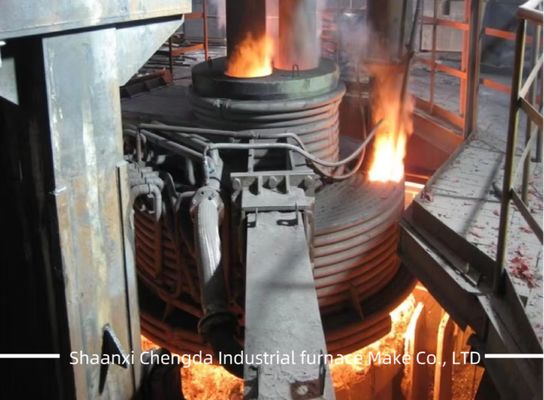

Ladle Refining Furnace (LRF), also known as "ladle furnace", is a key secondary refining equipment in the metallurgical industry. It is mainly used for post-treatment of molten steel (or molten alloy) after primary smelting (e.g., electric arc furnace, converter), realizing functions such as temperature adjustment, composition homogenization, impurity removal (S, P, H, O), and alloying. The 10T-160T specification covers small-batch special steel production (10T-50T) to large-scale industrial steelmaking (80T-160T), widely applicable to the manufacturing of high-quality carbon steel, alloy steel, stainless steel, and non-ferrous metal alloys (e.g., nickel-based superalloys). Below is a detailed introduction to its core structure, working principle, technical parameters, application scenarios, and operational advantages.

1. Core Structure of 10T-160T LRF

The structure of LRF is designed around the "ladle as the reaction vessel", integrating heating, stirring, vacuum, and gas supply systems. The main components are highly standardized but adjusted for different tonnages (e.g., larger electrodes and water-cooled systems for 120T-160T models).
Component Function & Design Features Tonnage-Specific Adjustments
Ladle Body The core reaction container, used to hold molten steel/alloy. Made of high-temperature-resistant refractories (e.g., magnesia-carbon bricks, alumina-magnesia bricks) with a working lining thickness of 150-300mm; the outer layer is a steel shell with water cooling (for ≥80T models) to prevent overheating. - 10T-50T: Single-layer refractory lining, manual tilting for slag discharge.

- 80T-160T: Double-layer lining (working layer + insulation layer), hydraulic tilting system (tilt angle 30°-45°) for efficient slag removal.
Electrode System Provides heat source through arc discharge between graphite electrodes and molten steel. Usually 3 graphite electrodes (diameter 150-400mm) arranged in a triangle; equipped with an automatic electrode lifting system (servo motor + screw rod) to stabilize the arc. - 10T-50T: Electrode diameter 150-250mm, single-circuit power supply.

- 80T-160T: Electrode diameter 300-400mm, dual-circuit power supply (to avoid current overload), with electrode wear automatic compensation.
Stirring System Ensures uniform molten steel temperature and composition, accelerates impurity floating. Two mainstream types:

1. Bottom-blowing argon stirring: Porous plugs (made of corundum) at the ladle bottom, blowing high-purity argon (≥99.99%) to form micro-bubbles.

2. Electromagnetic stirring (EMS): External electromagnetic coil generates a rotating magnetic field to drive molten steel flow.
- 10T-50T: Mostly bottom-blowing argon (1-2 porous plugs), flow rate 0.5-2 Nm³/h.

- 80T-160T: Combined stirring (bottom-blowing argon + EMS), argon flow rate 3-8 Nm³/h, EMS power 100-300kW.
Vacuum System (Optional) For deep degassing (H, O) and impurity removal. Composed of mechanical pumps + diffusion pumps, achieving a vacuum degree of 10⁻¹-10⁻³ Pa. - 10T-50T: Optional small vacuum unit (for special steel).

- 80T-160T: Standard large-scale vacuum system (vacuum chamber volume 50-150m³) for high-end alloy steel production.
Water Cooling System Cools high-temperature components (electrode holders, ladle shell, vacuum chamber) to prevent burnout. Adopts closed-loop cooling (deionized water), with a cooling water pressure of 0.4-0.6MPa. - 10T-50T: Cooling water flow 50-100 m³/h.

- 80T-160T: Cooling water flow 150-300 m³/h, with water temperature and flow monitoring (automatic alarm for anomalies).
Dust Removal System Collects smoke and dust generated during arc heating (main components: Fe₂O₃, SiO₂). Equipped with a bag-type dust collector, dust removal efficiency ≥99%. - 10T-50T: Small dust collector (air volume 10,000-30,000 m³/h).

- 80T-160T: Large-scale centralized dust removal (air volume 50,000-120,000 m³/h) to meet environmental protection standards.

2. Working Principle of LRF

The core of LRF’s operation is "arc heating + molten steel refining", which is divided into 5 key stages. Taking 100T LRF (for alloy steel production) as an example:
  1. Ladle Transfer: After primary smelting (e.g., 100T electric arc furnace), the molten steel (temperature ~1550°C) is transferred to the LRF ladle via a crane.
  2. Arc Ignition & Temperature Rise: Lower the 3 graphite electrodes to 20-50mm above the molten steel surface, apply 10-35kV voltage to ignite the arc. The arc generates 2000-3000°C high temperature, heating the molten steel to the target temperature (1600-1700°C) at a rate of 5-15°C/min.
  3. Alloying & Composition Adjustment: Add alloying agents (e.g., Mn, Cr, Ni, Mo) through the furnace top feeding system. Under the action of argon stirring, the alloy elements are quickly dissolved and homogenized (composition uniformity error ≤0.05%).
  4. Impurity Removal:
    • Desulfurization: Add lime (CaO) or fluorite (CaF₂) to form low-melting-point slag (CaS), which floats to the molten steel surface and is removed.
    • Degassing: If vacuum is applied, the vacuum environment reduces the solubility of H/O in molten steel (H content can be reduced from 5ppm to ≤2ppm).
  5. Final Adjustment & Discharge: After holding for 20-60 minutes (depending on tonnage), test the molten steel composition (via spectral analysis) and temperature. When qualified, tilt the ladle to transfer the molten steel to continuous casting or ingot casting equipment.

3. Key Technical Parameters of 10T-160T LRF

Parameters vary significantly by tonnage, with larger models focusing on high efficiency, large capacity, and stable control. The following table lists typical specifications for mainstream tonnage segments:
Parameter 10T-50T (Small LRF) 80T-120T (Medium LRF) 140T-160T (Large LRF)
Rated Capacity 10-50 T/batch 80-120 T/batch 140-160 T/batch
Working Temperature 1550-1700°C 1600-1750°C 1650-1800°C
Temperature Control Accuracy ±5°C ±3°C ±2°C
Electrode Diameter 150-250mm 280-350mm 350-400mm
Input Power 500-1500kW 2000-4000kW 4500-6000kW
Argon Stirring Flow Rate 0.5-2 Nm³/h 3-5 Nm³/h 6-8 Nm³/h
Vacuum Degree (Optional) 10⁻¹ Pa 10⁻² Pa 10⁻³ Pa
Refining Cycle 30-60 min 45-70 min 60-90 min
Floor Area 50-100 m² 120-200 m² 250-350 m²

4. Application Scenarios

The 10T-160T LRF covers almost all high-quality metallurgical needs, from small-batch special materials to large-scale industrial steel.
Tonnage Segment Typical Application End Products
10T-50T - Small-batch production of special steel (e.g., die steel, tool steel).

- Refining of non-ferrous metal alloys (e.g., nickel-cobalt alloys for new energy, titanium alloys for aerospace).

- Laboratory-scale research and development of high-performance materials.
- Mold steel (H13), high-speed tool steel (W6Mo5Cr4V2).

- Nickel-cobalt-manganese (NCM) alloy ingots, titanium alloy forgings.
80T-120T - Mass production of alloy steel (e.g., construction machinery steel, automotive axle steel).

- Refining of stainless steel (304, 316L) and heat-resistant steel (12Cr1MoV).

- Supply of molten steel for medium-sized continuous casting lines.
- Automotive drive axle steel (20CrMnTi), wind power flange steel (Q345E).

- Stainless steel sheets, boiler heat exchange tubes.
140T-160T - Large-scale production of high-end steel (e.g., marine engineering steel, high-speed rail steel).

- Refining of heavy-duty machinery steel (e.g., excavator bucket teeth steel).

- Matching with large continuous casting machines (slab width ≥1800mm).
- High-speed rail rail steel (U75V), marine platform steel (EH36).

- Heavy excavator boom steel (Q690), large-scale bearing steel (GCr15).

5. Operational Advantages

Compared with primary smelting equipment (e.g., converter) and other refining equipment (e.g., RH vacuum degasser), 10T-160T LRF has unique advantages:
  1. Strong Adaptability: Covers 10T-160T capacity, suitable for both small-batch customization and large-scale mass production; compatible with molten steel from electric arc furnaces, converters, and induction furnaces.
  2. High Refining Quality: Realizes precise control of composition (uniformity error ≤0.05%) and temperature (±2-5°C), reducing impurity content (S ≤0.005%, H ≤2ppm) to meet high-end material standards.
  3. Energy Saving & Environmental Protection: Compared with re-smelting in electric arc furnaces, LRF saves 30-50% energy; the closed dust removal system ensures dust emission ≤10mg/m³, complying with national environmental protection requirements.
  4. Flexible Process: Supports multiple processes such as atmospheric refining, vacuum degassing, and bottom-blowing stirring; can be adjusted according to product requirements (e.g., adding vacuum for ultra-low hydrogen steel, strengthening stirring for high-alloy steel).

6. Key Maintenance Points

To ensure the stable operation of 10T-160T LRF (especially large models), regular maintenance is critical:
  • Refractory Lining: Check the thickness of the ladle working layer every 5-10 batches; replace magnesia-carbon bricks when the thickness is reduced by 50% (to prevent ladle penetration).
  • Electrodes: Monitor electrode wear; replace electrodes when the length is less than 1/3 of the original (to avoid unstable arc).
  • Water Cooling System: Clean the cooling water pipeline every 3 months; check the water pressure and flow rate (abnormalities may cause electrode holder burnout).
  • Bottom-blowing Porous Plugs: Check for blockage every 2-3 batches; use high-pressure argon to back-blow if necessary (to ensure uniform stirring).