


All Products
-
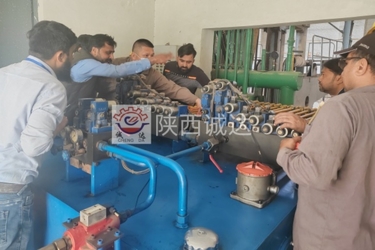 Syed Rashid Ahmed ButtShaanxi Chengda Industrial Furnace Co., Ltd. completed the commissioning of electric arc furnace, the workers carefully cooperated with Chengda engineers to learn and operate the equipment, showing the deep friendship and excellent cooperation between the people of China and Pakistan.
 -
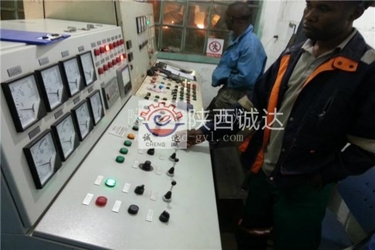 AboubacarAfter more than 1 month of intense production and debugging, 2 sets of heat exchange flue gas settling chamber equipment has been successfully put into operation ~ All the personnel involved in the project have worked hard! ~
 -
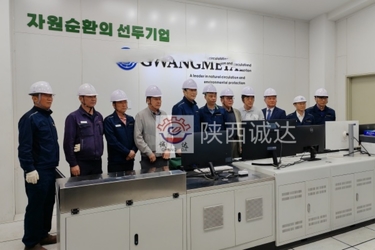 Ji-hwan【 Warm congratulations 】 Shaanxi Chengda Industrial Furnace Manufacturing Company in South Korea, North Chungcheong County precious metal smelting furnace equipment installation and careful manufacturing and strict commissioning, looking forward to the future in more fields to achieve mutually beneficial win-win cooperation!
Contact Person :
Du
Phone Number :
13991381852
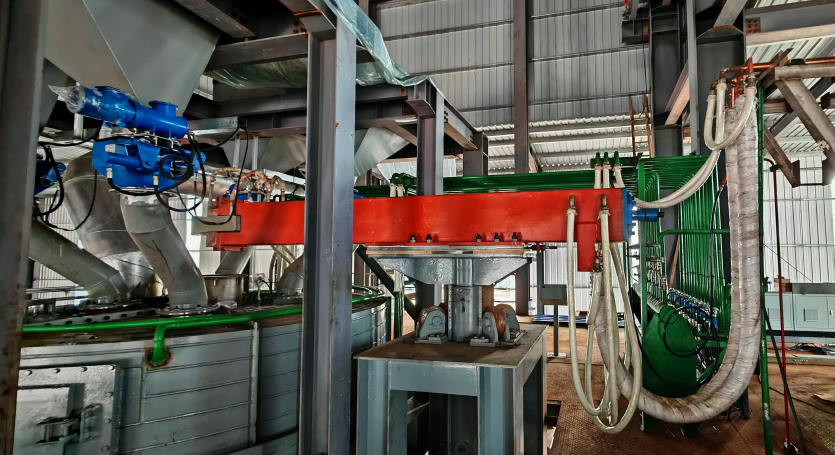
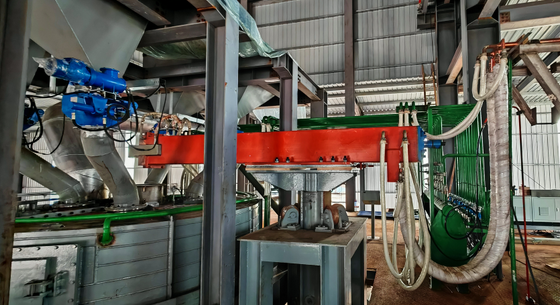
Comprehensive utilization of electric furnace bottom ash/fly ash DC electric arc furnace
| Place of Origin | China |
|---|---|
| Brand Name | Shaanxi Chengda |
| Certification | ISO 9001 |
| Model Number | Negotiate based on equipment processing capacity |
| Minimum Order Quantity | 1 unit |
| Price | The price will be negotiated based on the technical requirements and supply scope of Party A |
| Packaging Details | Discuss according to the specific requirements of Party A |
| Delivery Time | 2~3 months |
| Payment Terms | L/C,T/T,Western Union |
| Supply Ability | Complete production supply chain, supply on time, and meet quality standards |
Product Details
| Highlight | electric arc furnace steelmaking equipment,DC electric arc furnace with fly ash,electric furnace bottom ash utilization |
||
|---|---|---|---|
Product Description
Comprehensive Utilization of Electric Furnace Bottom Ash/Fly Ash by DC Electric Arc Furnace
DC electric arc furnaces (including single-electrode, double-electrode, and multi-electrode types) are high-efficiency equipment for the resourceful and harmless treatment of electric furnace bottom ash and fly ash. This technology realizes the separation of valuable metals, reduction of harmful substances, and recycling of molten slag, which is in line with the green development direction of the metallurgical industry.
1. Characteristics of Electric Furnace Bottom Ash/Fly Ash
Electric furnace bottom ash and fly ash are typical solid wastes in steelmaking processes, with complex components:
| Waste Type | Main Components | Harmful Substances | Valuable Components |
|---|---|---|---|
| Bottom Ash | SiO₂ (20–35%), CaO (15–25%), Fe₂O₃ (10–20%), Al₂O₃ (5–10%) | Heavy metals (Pb, Zn, Cr), dioxins, chloride | Iron, rare metals (Cu, Ni), slag (recyclable as building materials) |
| Fly Ash | Carbon (15–30%), SiO₂ (25–40%), CaO (10–15%) | Fine dust, heavy metal oxides, dioxins | Carbon (recyclable as reducing agent), iron oxides |
Key Problems to Solve: Heavy metal leaching, dioxin pollution, and low resource utilization rate.
2. Technical Principle of DC Electric Arc Furnace Treatment
DC electric arc furnaces use high-temperature plasma arcs (15,000–20,000℃) and strong electromagnetic stirring to treat bottom ash/fly ash through pyrolysis, reduction, melting, and separation processes:
- Feeding & Preheating: Mix bottom ash, fly ash, and a small amount of reducing agent (coke powder) uniformly, and send them into the furnace. The flue gas waste heat preheats the materials to 500–800℃, realizing preliminary dehydration and dechlorination.
- High-Temperature Reduction: DC arc generates a high-temperature zone of 1200–1600℃. Under the action of reducing agents, iron oxides in the waste are reduced to molten iron; heavy metals (Pb, Zn) are volatilized and collected through flue gas treatment systems.
- Molten Slag Vitrification: Silica and calcium oxide in the waste form a stable glassy molten slag under high temperature, which encapsulates residual heavy metals and prevents leaching.
- Phase Separation: Under electromagnetic stirring, the high-density molten iron sinks to the furnace bottom, and the low-density molten slag floats on the surface, realizing efficient separation of iron, slag, and harmful substances.
- Harmful Substance Decomposition: High temperature (>1000℃) completely decomposes dioxins into harmless small molecules (CO₂, H₂O), avoiding secondary pollution.
3. Optimal DC Electric Arc Furnace Configuration for Waste Treatment
A double-electrode or four-electrode DC submerged arc furnace is preferred for large-scale treatment of bottom ash/fly ash, with the following customized configurations:
| System | Customized Parameters |
|---|---|
| Electrode System | Graphite electrodes (diameter 500–800mm); independent lifting control to adjust arc length and temperature distribution |
| Power Supply System | Rated power 5–20MVA; DC voltage 400–800V; current stabilization control to adapt to low-grade waste materials |
| Furnace Body Structure | Water-cooled furnace wall + magnesia-chrome refractory lining; double-layer slag tapping port; sealed furnace cover (to collect volatile heavy metals) |
| Auxiliary Systems | ① Flue gas purification system: Bag dust removal + activated carbon adsorption + heavy metal condensation recovery; ② Molten slag granulation system: Water quenching to produce glassy slag particles |
4. Treatment Effects & Resource Utilization Benefits
4.1 Core Treatment Indicators
| Index | Standard Value | Environmental Significance |
|---|---|---|
| Heavy Metal Fixation Rate | ≥98% (Pb, Zn, Cr) | Meets the leaching standard of hazardous waste (GB 5085.3-2007) |
| Dioxin Decomposition Rate | ≥99.9% | Emission concentration ≤0.1ng TEQ/m³ |
| Iron Recovery Rate | 85–95% | Recovered molten iron can be returned to steelmaking |
| Slag Vitrification Rate | 100% | Molten slag has stable physical and chemical properties |
4.2 Resource Utilization of Products
| Product | Utilization Path | Economic Benefit |
|---|---|---|
| Recovered Molten Iron | Directly returned to the steelmaking process or cast into iron ingots for sale | Reduces raw material procurement costs by 10–15% |
| Vitrified Slag | ① Produce building materials (concrete aggregate, cement admixture); ② Prepare porous ceramics; ③ Roadbed filling material | The utilization rate of slag reaches 100%, creating additional revenue of $10–20 per ton of slag |
| Recovered Heavy Metals (Pb, Zn) | Purified and sold as metal ingots | Compensates for 20–30% of the treatment cost |
| Waste Heat Recovery | Waste heat from flue gas is used for preheating materials or generating electricity | Reduces the furnace's energy consumption by 15–20% |
5. Technical Advantages vs. Traditional Treatment Methods
| Treatment Method | DC Electric Arc Furnace | Rotary Kiln | Landfill |
|---|---|---|---|
| Treatment Efficiency | High (2–4 hours per batch) | Medium (8–12 hours per batch) | Low (passive accumulation) |
| Environmental Safety | No dioxin emission; heavy metals are fixed | Partial dioxin decomposition; secondary pollution risk | Heavy metal leaching; soil and groundwater pollution |
| Resource Utilization Rate | 100% (iron, slag, heavy metals all recycled) | 50–60% (only partial carbon/iron recovered) | 0% (waste of resources) |
| Applicable Scale | Large-scale (10,000–100,000 tons/year) | Medium-scale (1,000–10,000 tons/year) | Small-scale |
6. Application Cases & Implementation Notes
6.1 Typical Application Case
A steel plant in China adopted a 10MVA four-electrode DC submerged arc furnace to treat 50,000 tons of electric furnace bottom ash annually:
- Treatment Cost: $80–100 per ton of waste.
- Economic Return: Recovered 4,000 tons of molten iron, 45,000 tons of building slag, and 50 tons of lead-zinc alloy annually, with a total annual benefit of $1.2 million.
- Environmental Benefit: Dioxin emission is 0.05ng TEQ/m³, which is 50% lower than the national standard.
6.2 Key Implementation Notes
- Material Pretreatment: Crush bottom ash/fly ash to particle size ≤10mm, and remove large impurities (steel scraps, refractory fragments) to avoid electrode damage.
- Reducing Agent Ratio: Control the addition amount of coke powder at 5–8% of the total material to ensure sufficient reduction of iron oxides without excessive carbon residue.
- Temperature Control: Maintain the furnace temperature at 1300–1500℃; excessive temperature will increase energy consumption, while insufficient temperature will affect vitrification effect.
- Flue Gas Treatment: Equip a dedicated heavy metal condensation device to recover volatile Pb/Zn and avoid secondary pollution in flue gas.
7. Development Trends
- Integration with Waste Heat Power Generation: Combine the furnace with a waste heat boiler to realize self-sufficiency of 30–40% of the furnace's electricity consumption.
- Intelligent Control System: Use AI to monitor material composition, furnace temperature, and gas components in real time, and automatically adjust process parameters to optimize treatment effects.
- Multi-Waste Co-Treatment: Expand the application scope to treat municipal solid waste incineration fly ash, hazardous waste, etc., realizing the synergistic disposal of multiple solid wastes.
Recommended Products
