


All Products
-
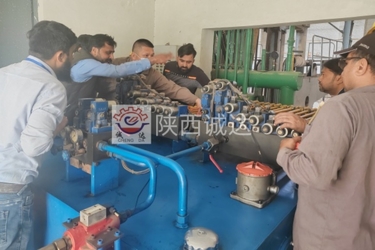 Syed Rashid Ahmed ButtShaanxi Chengda Industrial Furnace Co., Ltd. completed the commissioning of electric arc furnace, the workers carefully cooperated with Chengda engineers to learn and operate the equipment, showing the deep friendship and excellent cooperation between the people of China and Pakistan.
 -
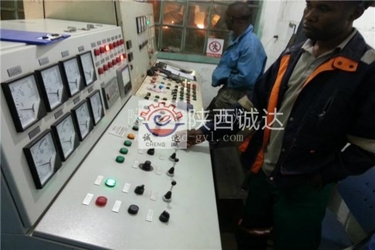 AboubacarAfter more than 1 month of intense production and debugging, 2 sets of heat exchange flue gas settling chamber equipment has been successfully put into operation ~ All the personnel involved in the project have worked hard! ~
 -
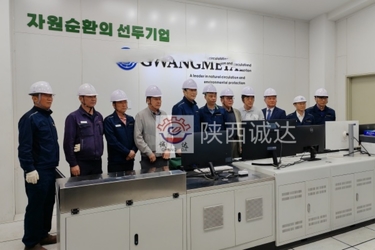 Ji-hwan【 Warm congratulations 】 Shaanxi Chengda Industrial Furnace Manufacturing Company in South Korea, North Chungcheong County precious metal smelting furnace equipment installation and careful manufacturing and strict commissioning, looking forward to the future in more fields to achieve mutually beneficial win-win cooperation!
Contact Person :
Du
Phone Number :
13991381852
New Energy Industry - Cobalt Nickel Lithium Processing Electric Furnace and Automation System
| Place of Origin | Chins |
|---|---|
| Brand Name | Shaanxi Chengda |
| Certification | ISO9001 |
| Model Number | New energy industry cobalt nickel lithium |
| Minimum Order Quantity | 1set |
| Price | To be negotiable |
| Packaging Details | Discuss according to the specific requirements of Party A |
| Delivery Time | 2 months |
| Payment Terms | L/C,D/A,D/P,T/T,Western Union, |
| Supply Ability | Complete production supply chain, supply on time, and meet quality standards |
Product Details
| Region | Shaanxi, China | Device Type | Customizable |
|---|---|---|---|
| Warranty Period | 1year | Product Feature | Cobalt Nickel Lithium |
| Highlight | cobalt nickel lithium industrial furnace,Automatic industrial furnace,industrial furnaces industrial furnaces |
||
Product Description
Electric Furnaces for Cobalt, Nickel, and Lithium Processing
Automation Systems for Cobalt, Nickel, and Lithium Processing Electric Furnaces
Product presentation:
Shaanxi Chengda Industrial furnace Manufacturing company is firmly optimistic about the development prospects of new energy lithium industry. After more than 20 years of development, the company has formed an integrated development pattern from nickel cobalt lithium resource development, green smelting and processing, ternary precursor and cathode material manufacturing to resource recycling and recycling of new energy lithium battery materials, with industry-leading comprehensive competitiveness. The company always adheres to the development of the new energy lithium battery material industry as the core, adheres to the overall development of the three-in-one road of "resource control, capacity enhancement, and market expansion", adheres to the competitive strategy of "product leadership, cost leadership", continues to deepen the global layout of industrial integration, comprehensively improves the comprehensive competitive advantage of industrial integration, and strives to build a new quality productivity pattern of industrial integration. Strive to become a leader in the new energy lithium battery material industry.
Shaanxi Chengda Industrial Furnace Manufacturing Co., Ltd. is a professional supplier of waste lithium electricity and wet slag recovery electric furnace.
Background introduction :
With the popularity of electronic products, lithium batteries are also more and more widely used. However, with the gradual shortening of service life, the disposal of waste lithium batteries is becoming increasingly prominent. Improper disposal of waste lithium batteries will not only cause pollution to the environment, but also waste a lot of resources. Therefore, it is of great significance to carry out research on the recycling technology of waste lithium batteries.
Process description:
Raw materials such as battery disassembly material and wet slag are added to the disposal furnace and melted by electric heating. After a certain time, the liquid alloy flows into the alloy package through the chute from the iron outlet, and the alloy package moves to the refining position and begins refining. The slag from the slag mouth of the electric furnace is buffered by the chute and flows directly into the depleted electric furnace in the downstream process for secondary extraction.
Device structure form:
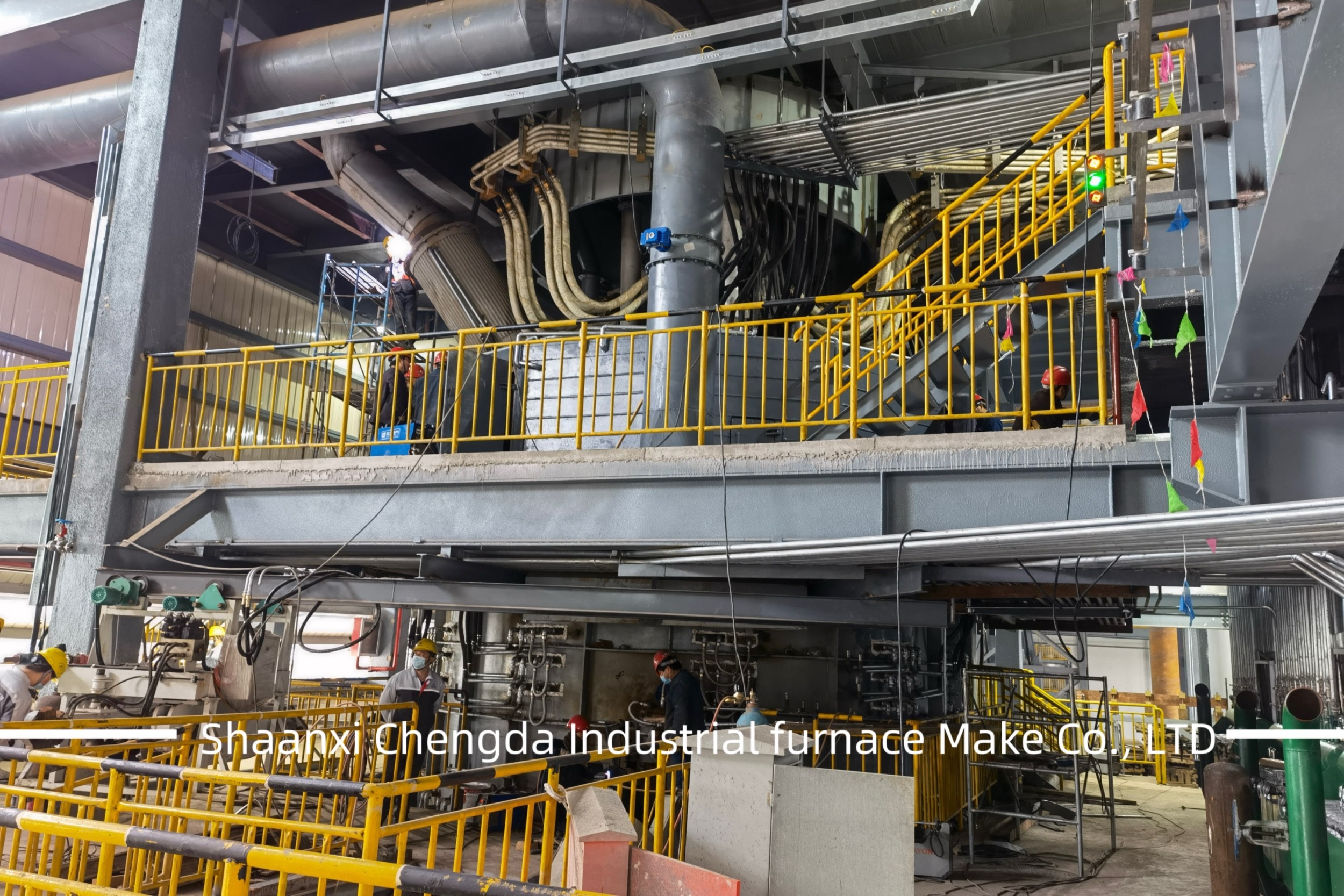
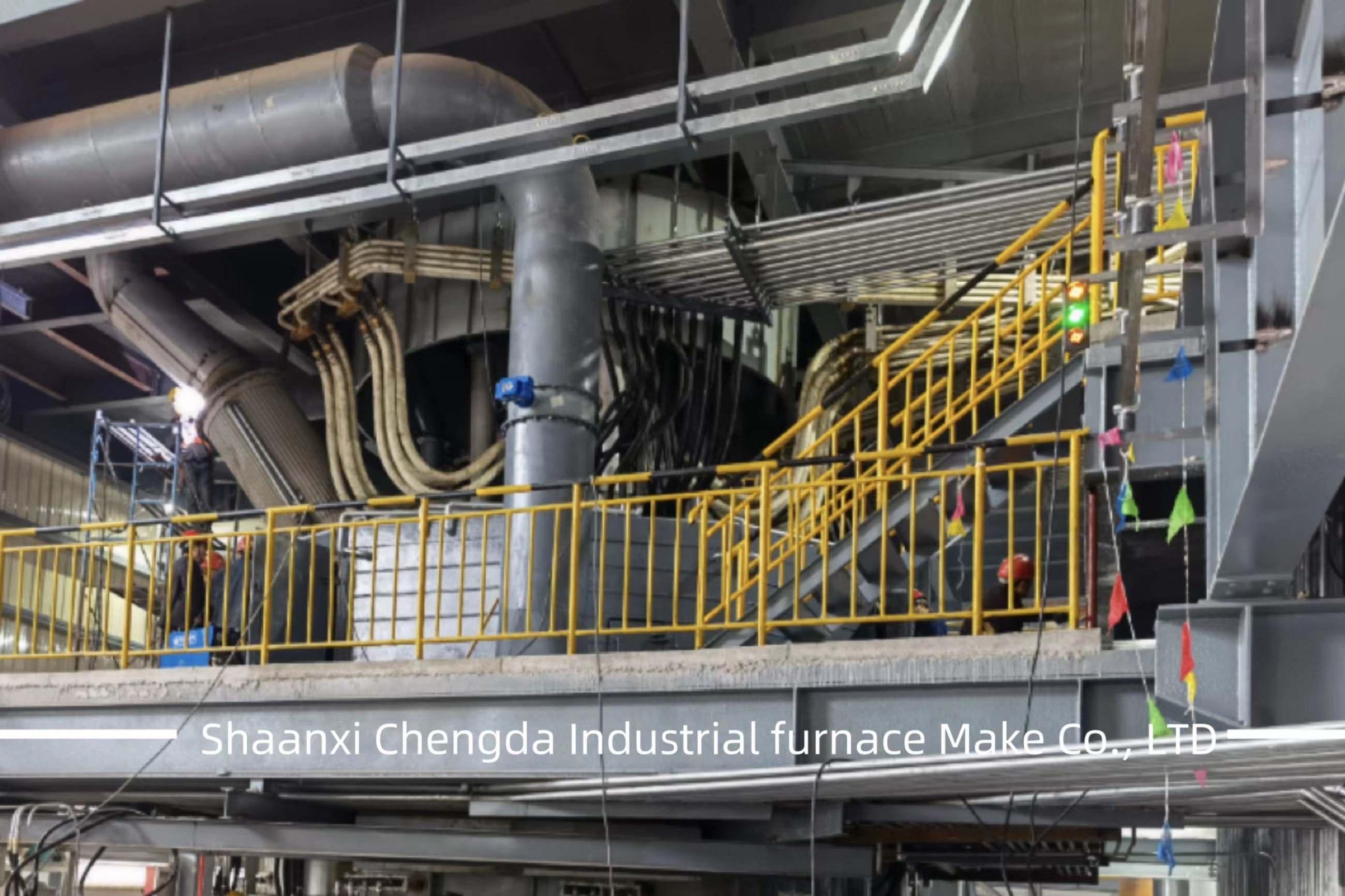
1) Use a semi-closed fixed furnace with a low smoke hood for the disposal of the electric furnace
Type;
2) The use of all water-cooled bellows pressure ring, so that the copper tile force uniform, balanced and uniform conduction;
3) The use of new water-cooled cable technology and forged copper shingles, water-cooled cable and copper pipe connection selection of button-type connection, which can reduce the contact resistance;
4) The new short network structure of one to one between the transformer outlet and the copper tile makes the equipment more advanced and the operation rate is high;
5) The short-net design uses the three-phase electrode triangle connection method, which has good short-net compensation, low impedance, low three-phase unbalance coefficient, high power factor and significant power-saving effect;
6) Full hydraulic lock, PLC control, to achieve voltage discharge, improve the operation rate of the electrode system;
7) The use of non-magnetic steel near the large current carrying conductor can greatly reduce the power loss
Recommended Products
