


All Products
-
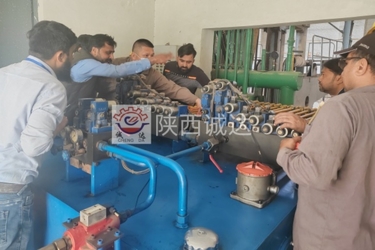 Syed Rashid Ahmed ButtShaanxi Chengda Industrial Furnace Co., Ltd. completed the commissioning of electric arc furnace, the workers carefully cooperated with Chengda engineers to learn and operate the equipment, showing the deep friendship and excellent cooperation between the people of China and Pakistan.
 -
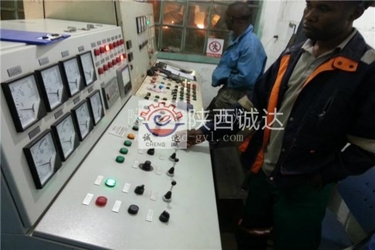 AboubacarAfter more than 1 month of intense production and debugging, 2 sets of heat exchange flue gas settling chamber equipment has been successfully put into operation ~ All the personnel involved in the project have worked hard! ~
 -
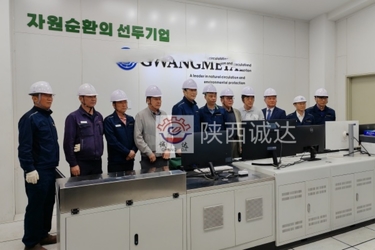 Ji-hwan【 Warm congratulations 】 Shaanxi Chengda Industrial Furnace Manufacturing Company in South Korea, North Chungcheong County precious metal smelting furnace equipment installation and careful manufacturing and strict commissioning, looking forward to the future in more fields to achieve mutually beneficial win-win cooperation!
Contact Person :
Du
Phone Number :
13991381852
Steelmaking and refining Furnace equipment
| Place of Origin | Shaanxi, China |
|---|---|
| Brand Name | Shaanxi Chengda · China |
| Certification | ISO9001 |
| Model Number | Negotiate based on equipment processing capacity |
| Minimum Order Quantity | 1Set |
| Price | The price will be negotiated based on the technical requirements and supply scope of Party A |
| Packaging Details | Discuss according to the specific requirements of Party A |
| Delivery Time | 2~3 months |
| Payment Terms | L/C,D/A,D/P,T/T,Western Union,MoneyGram |
| Supply Ability | Complete production supply chain, supply on time, and meet quality standards |
Product Details
| Factory Configuration | Ex-factory New | Country Of Origin | China |
|---|---|---|---|
| Highlight | Steelmaking Refining Equipment |
||
Product Description
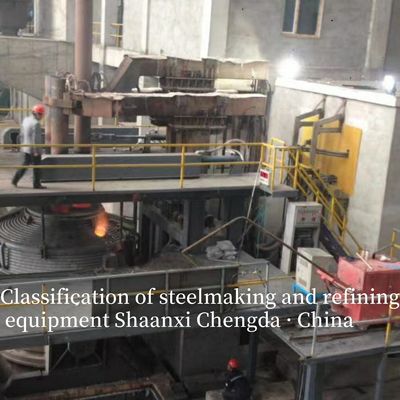
Classification of steelmaking and refining equipment
Classification of steel refining:
Can be divided into furnace refining and furnace refining. Off-furnace refining refers to refining treatment of molten steel outside the steelmaking furnace, such as vacuum degassing, powder spraying, etc. Furnace refining refers to the refining process, such as oxygen blowing, in the steelmaking furnace. Add ore, etc.
Classified by processing object:
Can be divided into ordinary steel refining and high performance steel refining. Ordinary steel refining refers to the refining treatment of ordinary carbon steel, low alloy steel, etc., and high performance steel refining refers to the refining treatment of high strength steel, stainless steel, tool steel, etc.
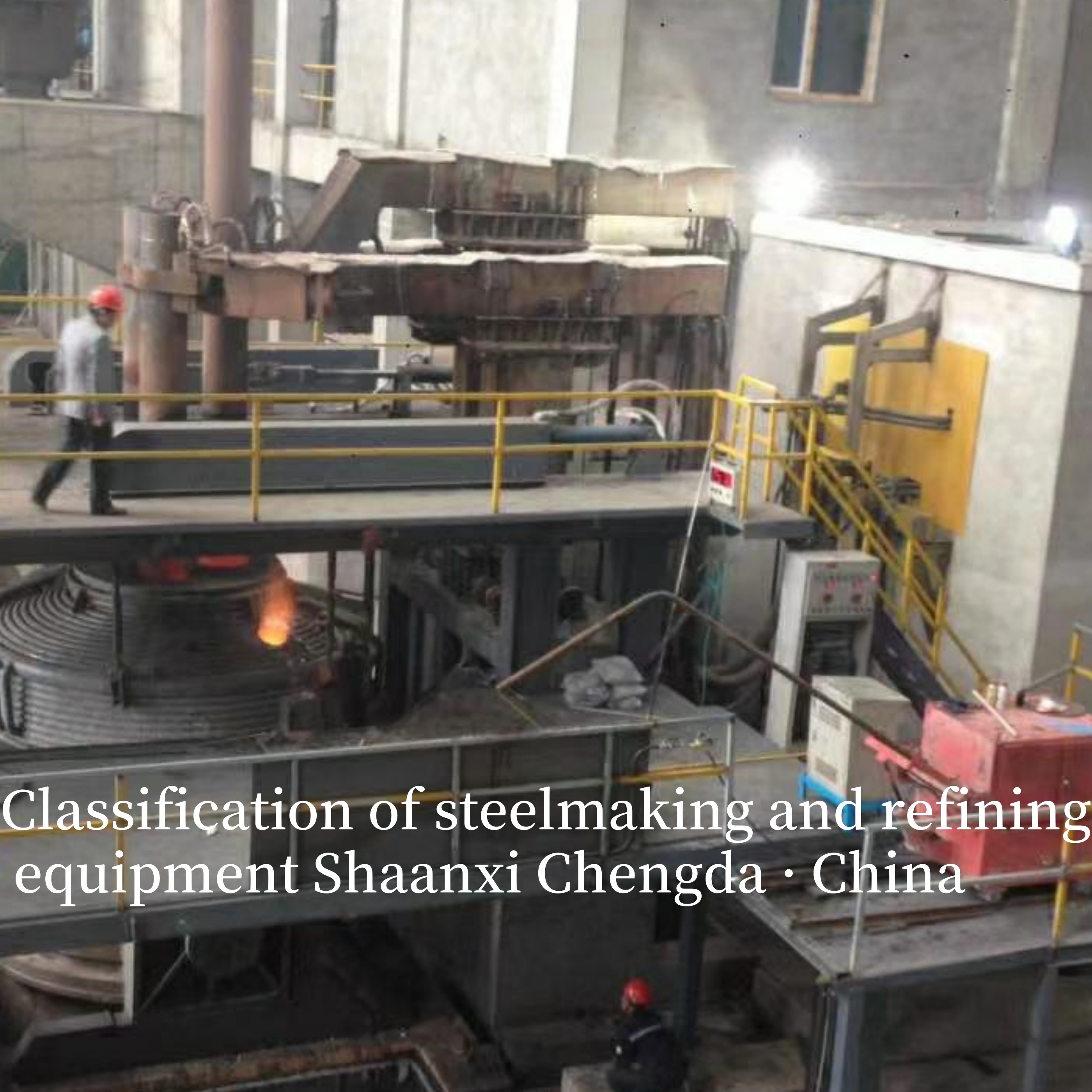
Electric arc furnace: uses the arc heat generated between the electrode and the furnace material to melt the furnace material, mainly using scrap steel as raw material, and can also add some pig iron or directly reduced iron. Electric arc furnace steelmaking has the characteristics of high flexibility, the ability to produce multiple types of steel, and strong adaptability to raw materials, making it suitable for producing special steel and high alloy steel.
Ladle Refining Furnace (LF): Equipment that combines the heating and refining functions of a steelmaking furnace. The main functions include raising the temperature and insulation of the molten steel, providing new thermal energy to the molten steel through arc heating, facilitating the addition of alloys and adjusting the composition, adding slag materials, and achieving deep desulfurization and deoxidation of the molten steel; The argon stirring function blows argon gas into the molten steel through the permeable bricks at the bottom of the ladle, allowing the steel to be stirred and homogenized in terms of composition and temperature; Some ladle refining furnaces also have vacuum degassing function, which can remove gases such as hydrogen and nitrogen from the steel liquid, further reduce the oxygen and sulfur content, and obtain higher purity steel liquid.
Steelmaking and Refining Furnace Equipment
I. Primary Steelmaking Furnaces
1. Electric Arc Furnace (EAF)
2. Basic Oxygen Furnace (BOF)
3. Induction Furnace
II. Secondary Refining Furnaces
1. Ladle Furnace (LF)
2. RH Vacuum Degassing Furnace
3. VD/VOD Vacuum Refining Furnace
4. AOD Furnace (Argon Oxygen Decarburization Furnace)
III. Key Supporting Systems
IV. Development Trend
Recommended Products
